
A Day in the Ottoman Empire
Travelling Through Past and Present
Golden beaches, luxury resorts, and the shimmering Mediterranean are only part of the Turkish Riviera's story. Beyond the coastline lies a living museum, where every cobbled street, fortress, harbour, and marketplace whispers tales from one of history's greatest empires.

For more than six centuries, the Ottoman Empire connected Europe, Asia, and Africa, shaping architecture, cuisine, art, trade, and everyday life across vast territories. While Istanbul was its magnificent capital, Türkiye's Mediterranean coast flourished as an important gateway for merchants, sailors, and travellers crossing the sea.
The empire stretched across much of Southeast Europe, Anatolia, the Middle East, and North Africa, bringing together Turks, Greeks, Armenians, Arabs, Kurds, Jews, Albanians, Bosniaks, Bulgarians, Circassians, and many other peoples. Their traditions, languages, craftsmanship, music, and cuisines intertwined over centuries, creating a remarkable shared heritage that continues to shape modern Türkiye—and nowhere is it easier to experience than on the Turkish Riviera.
So, what would one day in the Ottoman Empire look like?
Early Morning – When the City Awakens
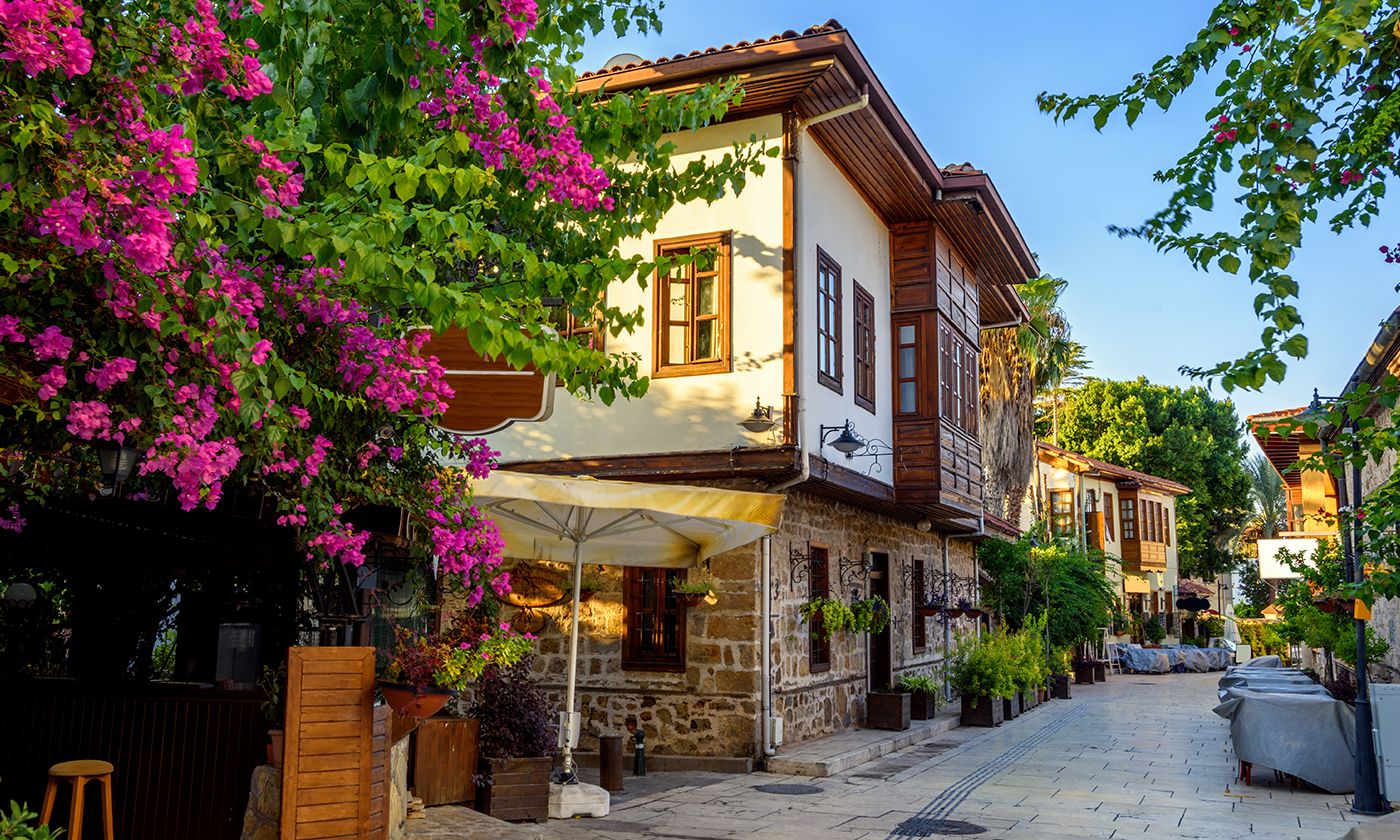
As the first rays of sunlight reach the Mediterranean, picture Antalya four hundred years ago. Wooden shutters swing open. Fishermen return to the harbour with their morning catch. Merchants prepare spices, fabrics, and ceramics for another bustling market day. The scent of freshly baked bread drifts through the narrow streets.
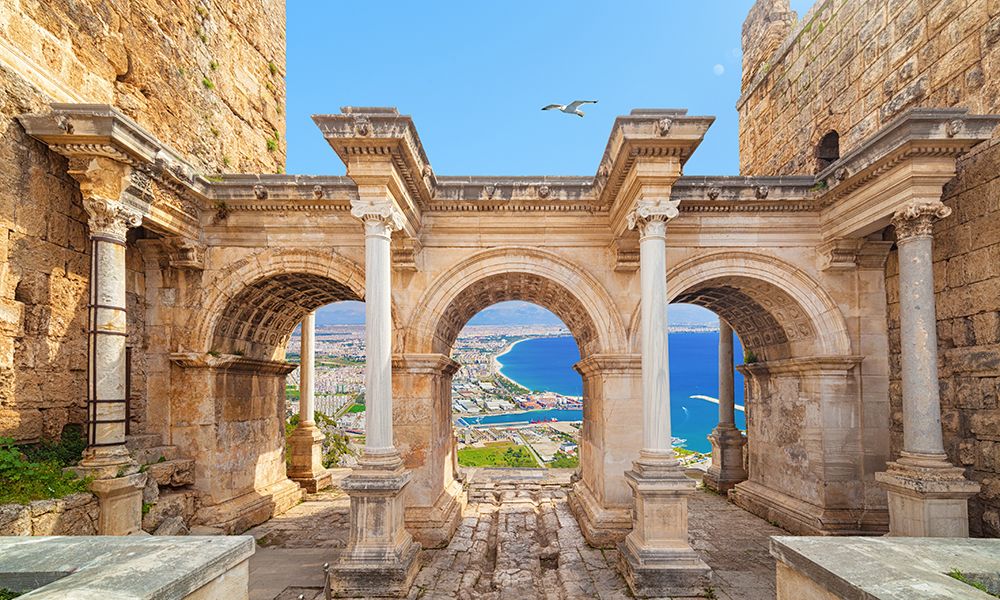
Begin your own journey in Kaleiçi, Antalya's enchanting Old Town. Surrounded by ancient city walls, its beautifully preserved Ottoman houses, wooden balconies, hidden courtyards, and winding lanes create an atmosphere that feels almost untouched by time.
Pause at a traditional café for a warm simit and a glass of Turkish tea.
Mid-Morning – Following the Merchants
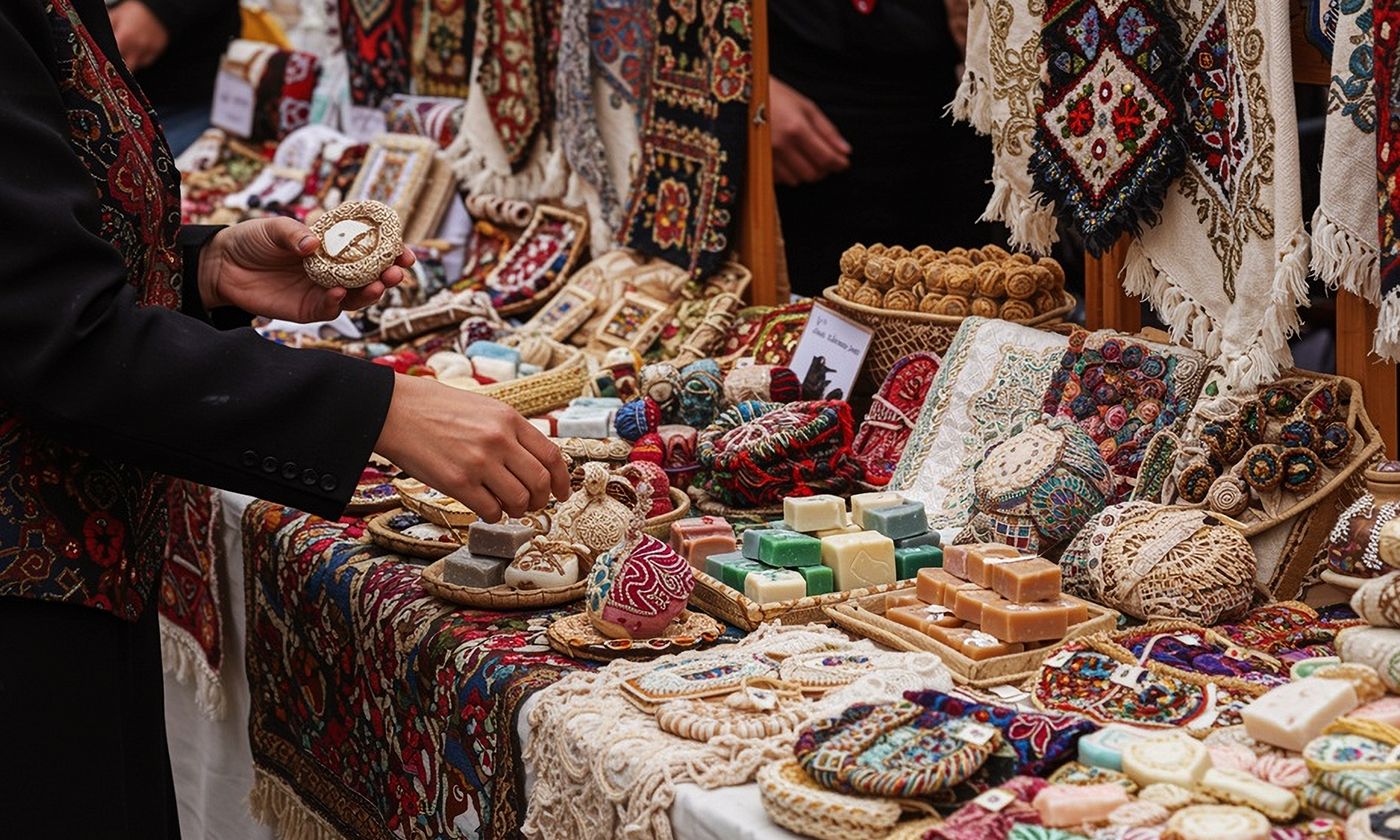
Trade was the heartbeat of the Ottoman Empire, and the Mediterranean coast was one of its busiest crossroads. Ships arrived carrying silk, spices, coffee, glassware, and precious textiles from every corner of the empire and beyond. Modern bazaars still capture that same spirit.
Browse colourful stalls filled with hand-painted ceramics, woven carpets, fragrant spices, olive oil soaps, jewellery, and Turkish delight. Shopping here is also about meeting local artisans and discovering traditions that have been passed down through generations.
To understand how this diverse region evolved, visit the Antalya Museum. Its collections reveal how ancient civilizations, followed by the Seljuks and Ottomans, each left their mark on the Mediterranean coast.
Noon – A Sultan's Table
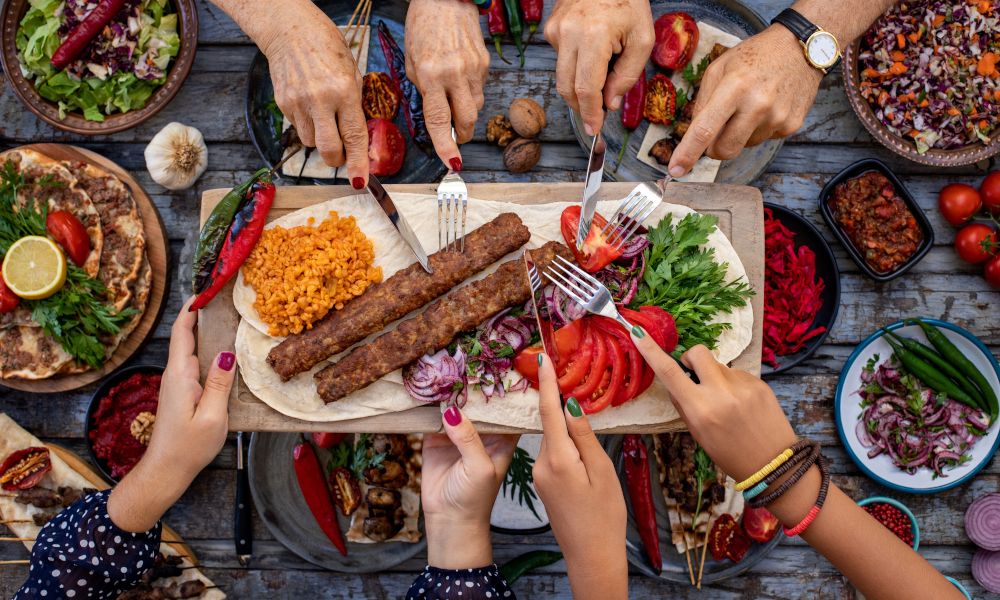
The Ottoman kitchen was one of the world's great culinary traditions, shaped by influences from the Balkans, Anatolia, the Levant, the Caucasus, and North Africa.
Lunch is the perfect opportunity to taste this shared heritage. Order colourful meze, freshly grilled kebabs, seasonal vegetables, warm bread, and finish with delicate baklava. Pair everything with traditional Turkish tea or rich Turkish coffee, once so prized that it became a symbol of Ottoman hospitality.
Many dishes enjoyed across the region today reflect centuries of cultural exchange, reminding us that great food often tells the story of people coming together.
Afternoon – Castles Above the Sea
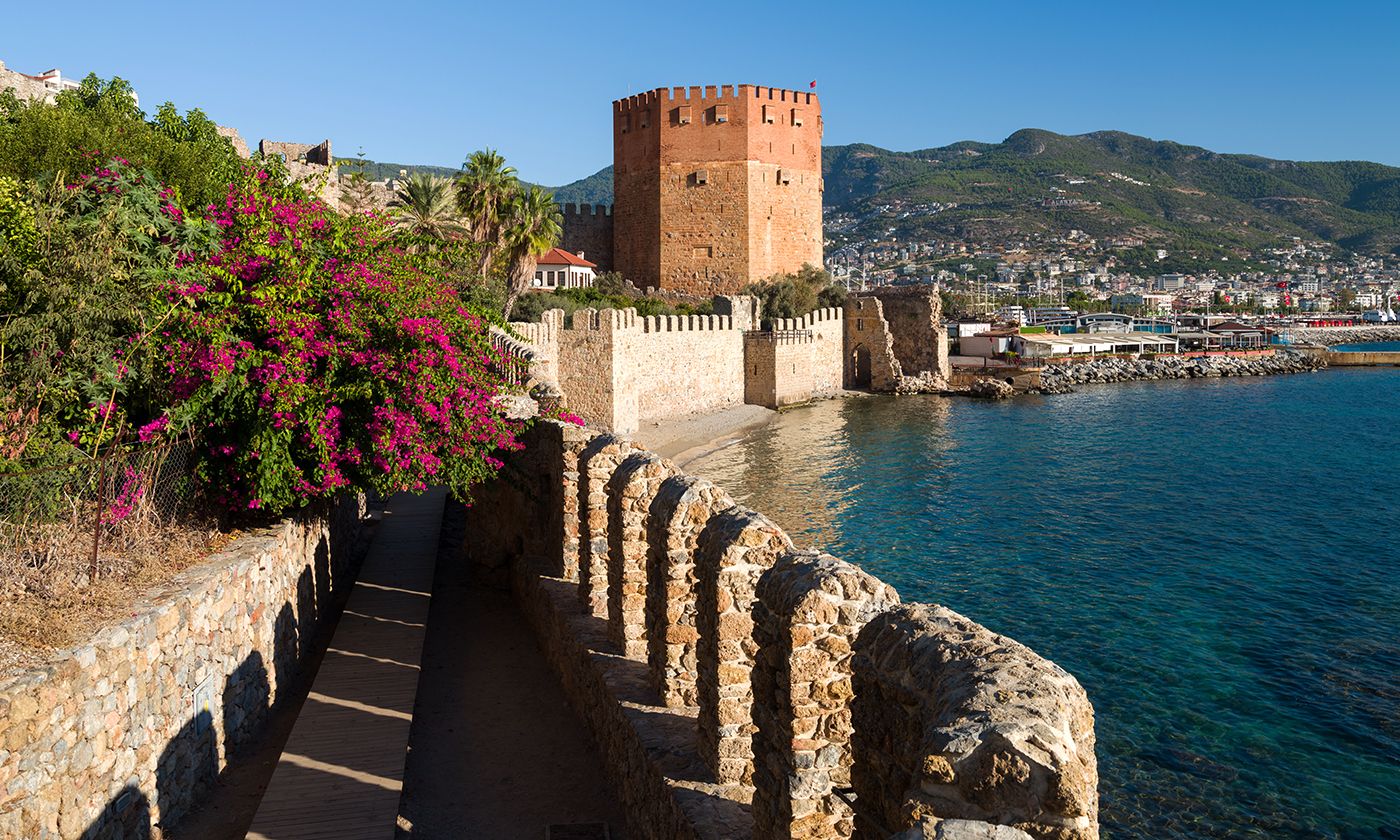
The afternoon belongs to explorers.
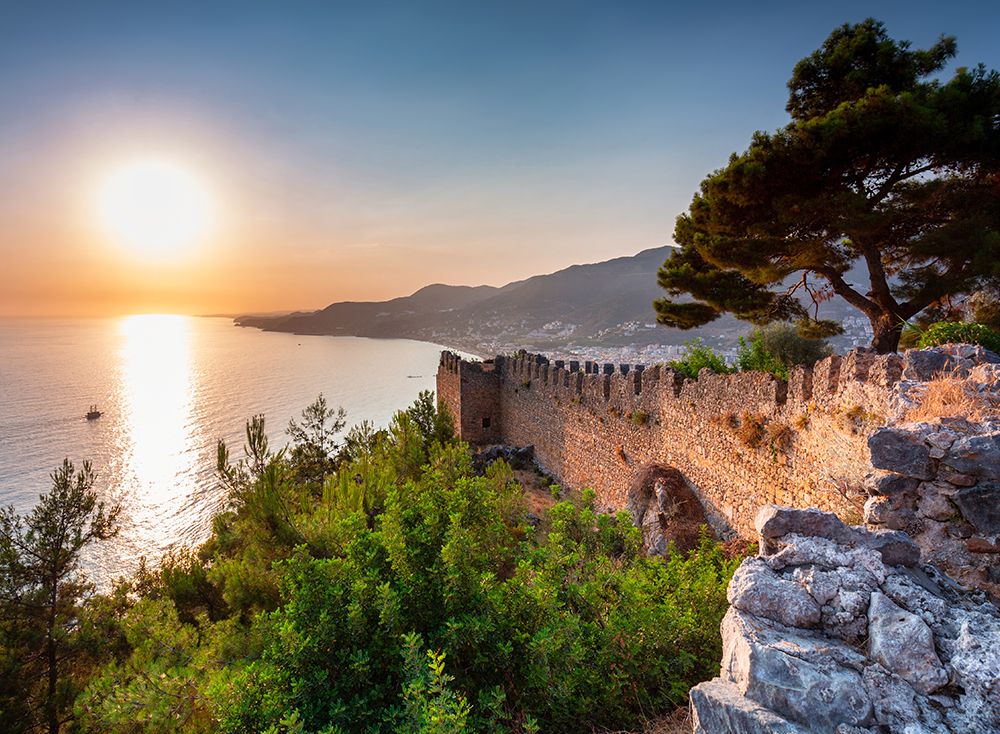
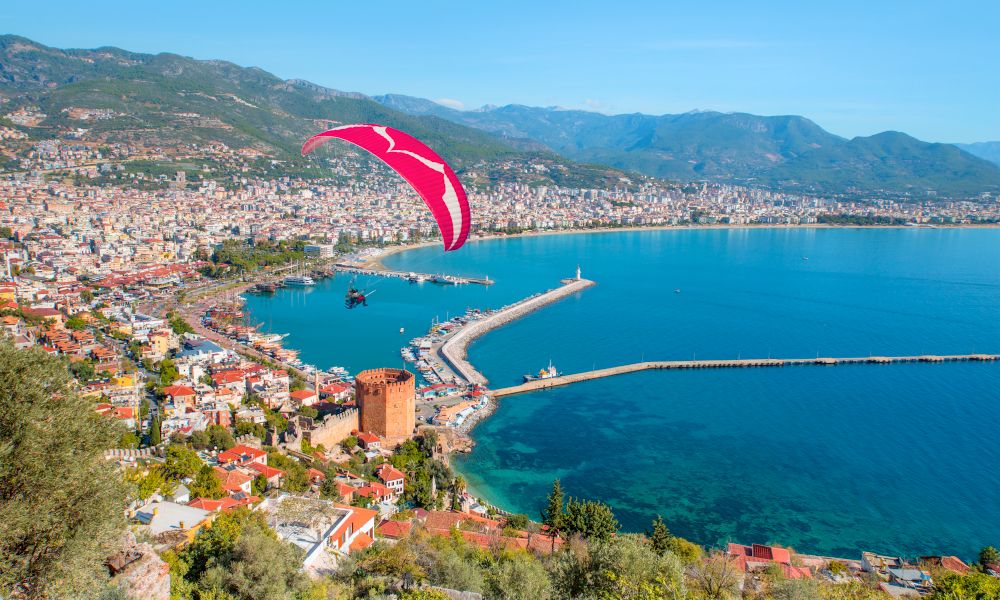
The Turkish Riviera is dotted with fortresses that once protected important maritime trade routes. One of the most spectacular is Alanya Castle, standing high above the Mediterranean. Although its origins predate the Ottoman Empire, the fortress remained strategically important throughout Ottoman rule.
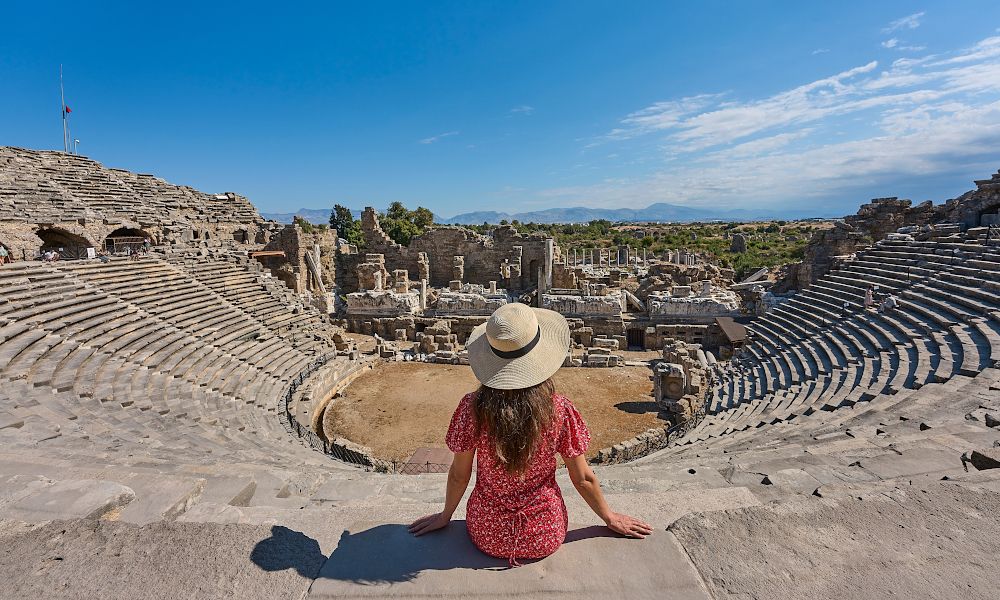
If you're staying closer to Side, wander through streets where Roman columns stand alongside later Turkish architecture, proving that history here isn't divided into chapters — in a way, it exists all at once.
Late Afternoon – The Ottoman Way to Relax
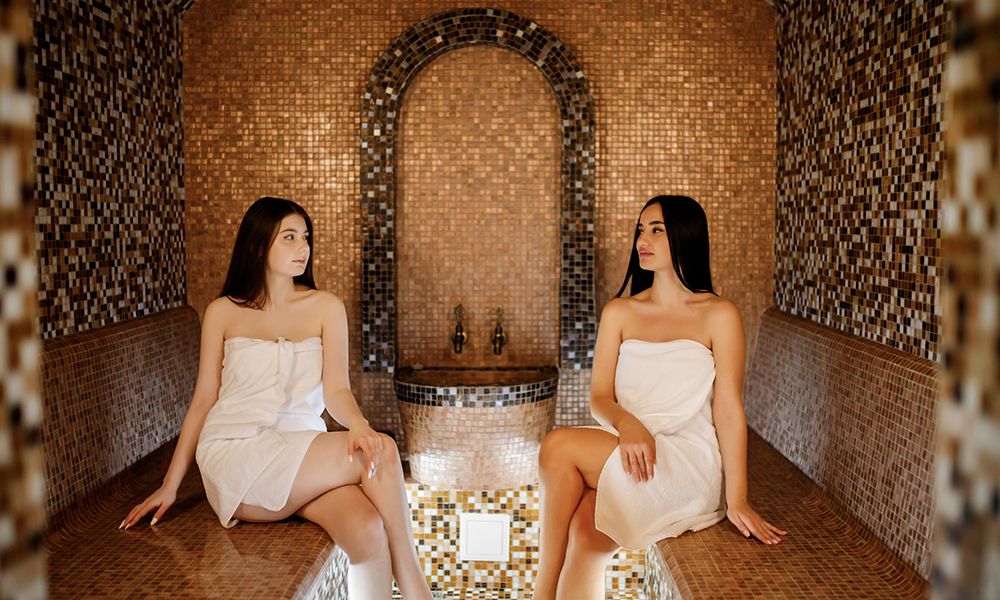
After a long day's work, many Ottomans visited the hammam. Far more than a bath, it was a place to unwind, socialise, and restore both body and mind.
Today, a traditional Turkish hammam remains one of the Riviera's most authentic cultural experiences. Warm marble, fragrant soap, clouds of steam, and a relaxing foam massage offer a ritual that has changed remarkably little over the centuries. Sometimes history is something you experience.
Evening – Sunset Over the Mediterranean
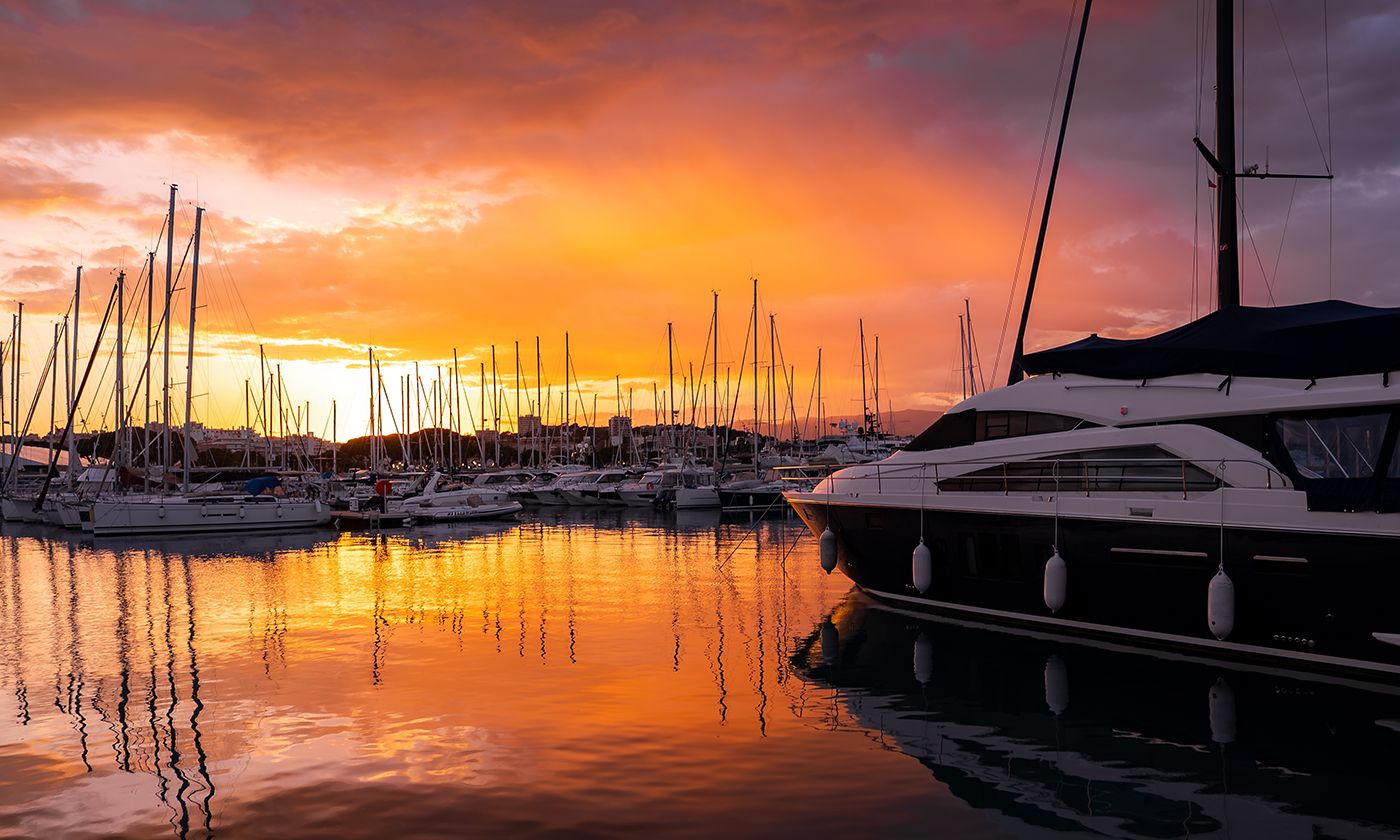
As the sky turns shades of gold and crimson, make your way to Antalya Marina or Alanya Harbour.
Fishing boats gently rock beside elegant yachts, restaurants fill with conversation, and the scent of grilled seafood drifts through the evening air. It isn't difficult to imagine merchants ending their day here, discussing tomorrow's voyage while watching the same Mediterranean sunset, or travellers beginning adventures remarkably similar to your own.
Night – Where the Past Meets the Present
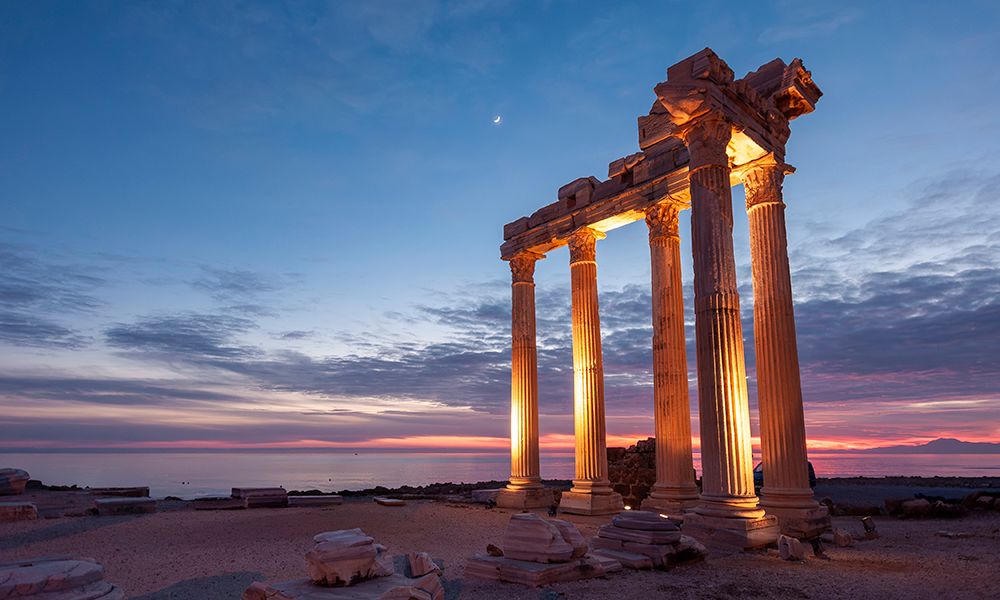
The Ottoman Empire belongs to history, but its legacy lives on in modern Türkiye's architecture, cuisine, hospitality, and traditions.
More importantly, it lives in the exchange of cultures that shaped it. Across centuries, people of different faiths, languages, and backgrounds traded, travelled, created, and learned from one another. Their shared influence can still be seen in the markets, museums, harbours, historic streets, and family recipes that make the Turkish Riviera so unique today.
When you visit Türkiye with Join Up! you experience centuries of history, culture, and Mediterranean hospitality, all in one unforgettable day.